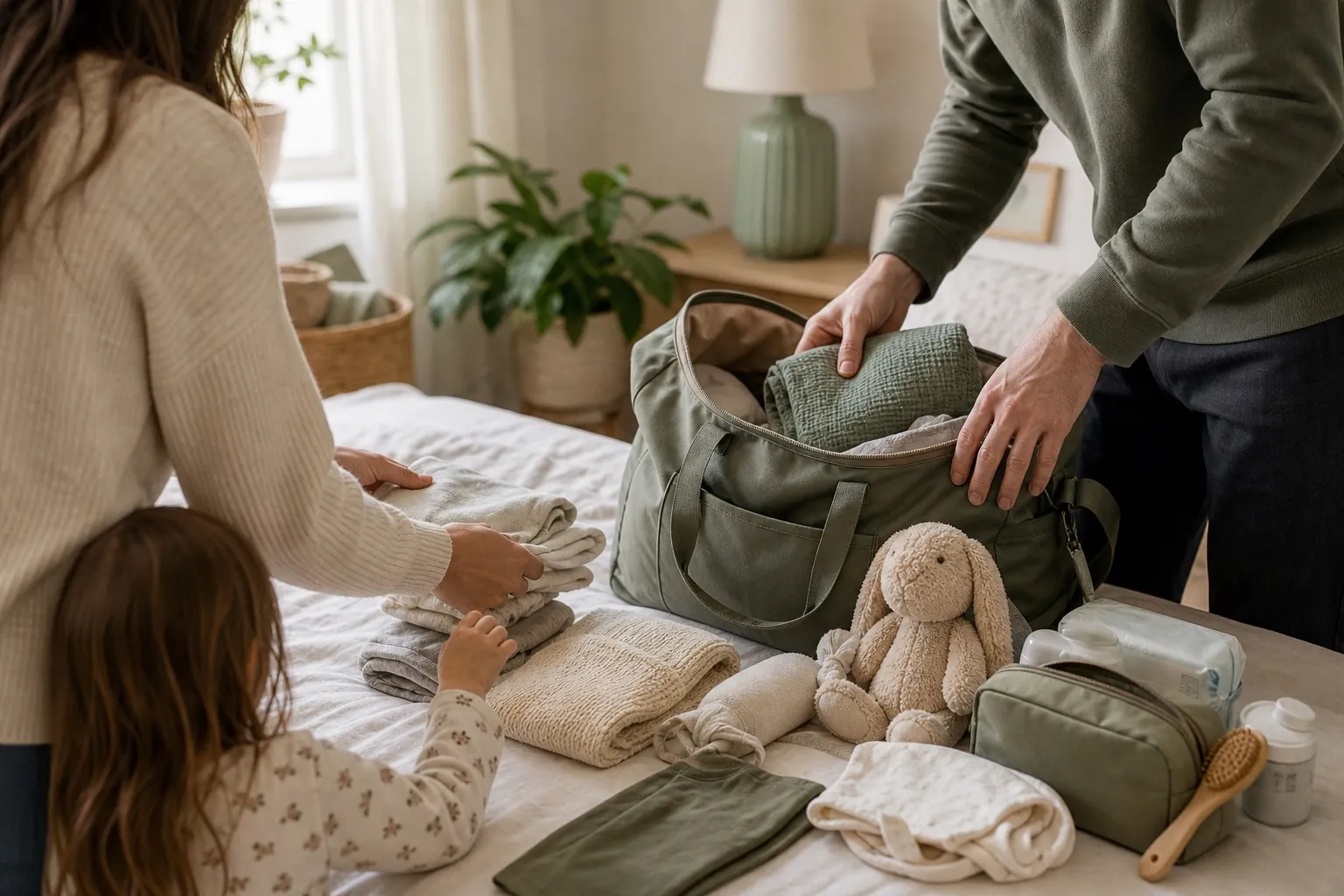
What to take to hospital depends on the ward, the reason for admission, the expected length of stay and how independent the patient is. The essentials are documents, an up-to-date list of medicines, toiletries, comfortable clothes and the aids you use every day, such as glasses or a hearing aid. Before you pack, check the instructions from your particular hospital, because wards differ in their requirements and facilities.
What to pack for hospital: basic list
What to pack for hospital: basic list
- Documents and medical information
- Photo ID
- Referral, if required for a planned admission
- Records related to your current treatment
- Test results the ward asked for
- Discharge summaries from earlier stays
- Clear list of medicines, doses and times
- List of allergies and key health information
- Details of the person authorised to receive information
- Clothes and footwear
- Pyjamas or nightdress
- Comfortable daytime clothes
- Underwear and socks
- Dressing gown or zip-up hoodie
- Slippers
- Flip-flops for the shower
- Going-home outfit to suit the weather
- Toiletries
- Toothbrush and toothpaste
- Soap or shower gel in line with ward advice
- Towel
- Comb or brush
- Shaving kit, if needed and allowed
- Tissues
- Your everyday hygiene products
- Bag for dirty clothes
- Aids and equipment you use
- Glasses and case
- Hearing aid, case and batteries
- Dentures and a labelled container
- Crutch, walking stick, brace or other aid, once agreed
- Chargers for any medical equipment you use
- Useful extras
- Phone and a charger with a long enough cable
- Mug and cutlery, if the hospital asks for them
- Bottle of water, if you are allowed to drink
- Headphones
- Book or another quiet pastime
- Notebook and pen for jotting down advice
Documents for hospital: what to check before admission
Contact the ward and ask for its current list. For a planned admission, specific test results, consultations or preparation for a procedure may be required. Do not follow the general advice to stay nil by mouth unless the hospital clearly tells you to, as preparation depends on the procedure.
Poland's Patient Ombudsman (Rzecznik Praw Pacjenta) recommends taking your medical records, a list of the medicines you take and any aids you use. More information is in the guide Patient in hospital. An official example of a list is also published by SP ZOZ MSWiA in Szczecin.
Medicines for hospital: how to prepare them
Prepare a clear list of names, doses and times. Take medicines in their original packaging if the hospital asks for it. After admission, tell the staff about all your medicines and supplements. Do not take your own medicines without the staff knowing, as your treatment may be changed during your stay.
If a medicine needs to be kept cool or transported in a special way, agree how to carry it with the ward or a pharmacist. Do not toss it loose into a wash bag.
What to take to hospital for three days
For a short stay, two sets of comfortable clothes are usually enough, plus underwear for each day with a small spare, basic toiletries in small containers and your documents. Do not pack full-size products that someone can bring later.
For a longer stay, find out whether family can swap clothes and bring anything you are missing. A smaller bag fits more easily in the bedside locker.
What to take to hospital for one day
For a day admission, focus on documents, results, your medicine list and things you need straight after the test or procedure. Pack your phone and charger, glasses or hearing aid, basic toiletries and clothes suitable for going home. Take food and drink only if the ward's instructions allow it.
Do not pack a full set for a several-day stay "just in case". If you might be kept on the ward, ask in advance whether someone close to you can bring a bag prepared at home later.
What to take to hospital for an operation
The list depends on the type of procedure and the ward. Check:
What to take to hospital for an operation
- The exact time and place to report
- Instructions on eating, drinking and taking medicines
- Required tests and consultations
- Rules on jewellery, nail varnish and contact lenses
- Clothes suitable for after the procedure
- How you will get home and who will collect you
Do not stop your medicines on your own. The instructions must come from the doctor or the hospital running your preparation.
What to pack for an older person or someone who needs help
Label glasses, hearing aids, dentures and any equipment in use. Add a card with the phone number of someone close, a list of medicines and a note on how the person communicates. Choose clothes that are easy to put on and shoes with non-slip soles.
If the patient needs absorbent products, special toiletries or help with eating, agree the quantities with the ward. What the hospital provides can differ, so it is worth confirming before admission.
Prepare one sheet of paper with:
What to pack for an older person or someone who needs help
- Patient's full name
- Phone number of someone close
- List of medicines with current doses
- Allergies and key health information
- How to communicate, if the patient has hearing or speech difficulties
- Note on glasses, hearing aid, dentures and other aids
The sheet helps organise the information but does not replace medical records.
How to pack your bag so you can find things easily
Put documents in a folder that closes. Divide clothes into sets and put toiletries in a leakproof wash bag. Things you use every day should be on top, not under spare clothes. Label the denture container, the glasses case and any equipment that is easy to mix up.
What to prepare for discharge day
What to prepare for discharge day
- Comfortable clothes to suit the weather
- Safe transport home
- Keys and a way into your home
- Questions about medicines, diet, dressings and check-ups
- A place for discharge papers and prescriptions
- Someone to help carry your bag, if needed
Before you leave, make sure you understand the advice and know where and when to go for a check-up.
What not to take to hospital
- large sums of money;
- expensive jewellery;
- unlabelled medicines;
- lots of electronic devices;
- a big stock of food without agreeing your diet;
- sharp objects or items not allowed on the ward.
Check whether valuables can be handed in for safekeeping. The safest option is to leave them at home.
How to make your hospital packing list in BuyNest
Create one checklist and arrange the items in sections: documents, medicines, clothes, toiletries and any medical equipment you use. Share it only with a trusted person who helps you pack or can bring missing items later. In the list itself, write category and item names, and keep detailed health information in the records meant for staff.
Share your hospital checklist in BuyNest with the person who will help you. If you need something extra during your stay, you will both see the current list without going through it again over the phone.
Hospital stay: frequently asked questions
Do I need to take my own medicines?
Ask the ward. Always have an up-to-date list ready. If you are asked to bring them, take the original packaging and tell the staff.
What food should I take to hospital?
Take food only after checking the ward's instructions. Diet, tests and procedures can limit what you can eat and drink. If the hospital allows your own food, choose a small portion that is easy to store and agree the products if you are on a special diet.
Do I need cutlery and a mug?
It depends on the hospital. Some ask for your own set, others provide them.
Is this list suitable for giving birth?
No. Labour, newborn items and a maternity stay are covered in a separate guide, Hospital bag checklist: what to pack for mum and baby.
Sources
Take the shopping into BuyNest
BuyNest is on iPhone and Android. The app has no ads, including on the free plan.